Trump Pressures Asian Allies, Cites Massive Troop Presence Near North Korea
WORLDALL NEWS
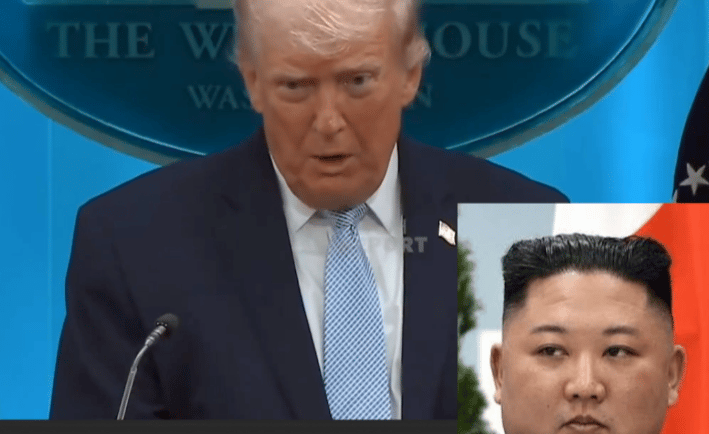
WASHINGTON D.C. — In a series of pointed remarks from the White House this week, President Donald Trump escalated his "America First" rhetoric, criticizing key Asian allies for what he described as a lack of support during ongoing U.S. military operations in the Middle East. Central to his argument was the reminder of the massive American military footprint maintained in Japan and South Korea to counter the threat posed by North Korean leader Kim Jong Un.
"We Defend All These Countries"
Speaking to reporters on Monday, the President voiced his frustration with South Korea and Japan, citing their hesitation to provide military assets—specifically for operations near the Strait of Hormuz—despite the protection they receive from the United States.
"We've got 50,000 soldiers in Japan to protect them from North Korea. We have 45,000 soldiers in South Korea to protect us from Kim Jong Un," Trump stated. "We have 45,000 people—soldiers—in harm's way right next to Kim Jong Un with a lot of nuclear weapons. South Korea didn’t help us.
The President's figures reflect a significant upward trend in his public rhetoric regarding troop levels. While official Department of Defense records typically place the number of U.S. personnel in South Korea at approximately 28,500, Trump has consistently used the 45,000 figure in recent weeks to emphasize the scale of the American commitment.
The Complexity of the Kim Relationship
Despite the "harm's way" rhetoric, the President maintained his signature dual-track approach toward Pyongyang. While highlighting the danger of North Korea’s nuclear arsenal, he reiterated his personal rapport with Kim Jong Un, contrasting it with the tensions seen under previous administrations.
On Personal Rapport: Trump claimed that he and Kim get along "very well," suggesting that the North Korean leader "likes Trump" and has been "very nice" since his return to office.
On the Nuclear Threat: He blamed his predecessors for the current state of North Korea’s nuclear program, stating that if "a certain president did his job," Kim Jong Un would not possess nuclear weapons today.
Allies Under Pressure.
The President’s comments come at a volatile time for regional diplomacy. Analysts suggest that by tying troop deployments to allied cooperation in other theaters, the administration is signaling a more transactional era of the U.S.-Pacific alliance