The Strait of Hormuz Standoff: Escalating Tensions and Global Economic Fallout again on May
ALL NEWSWORLDHEADLINES
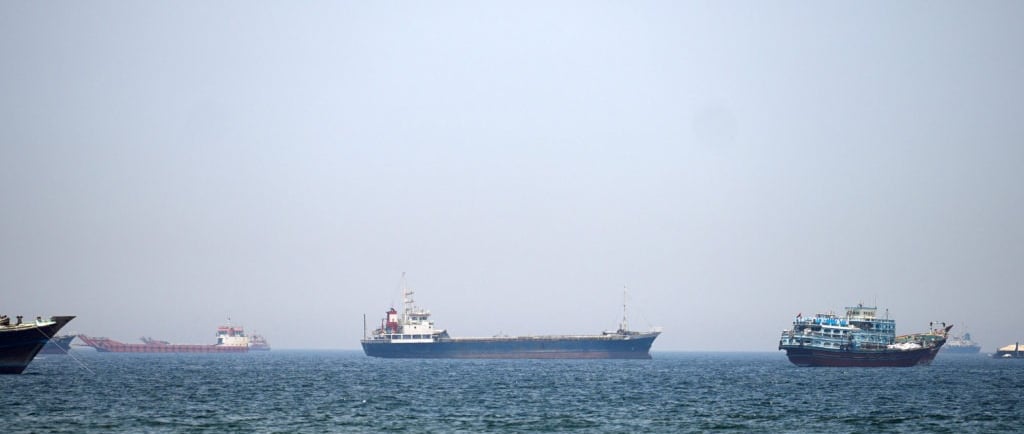
The Strait of Hormuz, a critical chokepoint through which roughly a fifth of the world's petroleum and twenty percent of liquefied natural gas passes, has once again become the epicenter of global geopolitical tension. On May 4, 2026, the ongoing standoff between Iran, the United States, and Israel reached a new boiling point as the waterway remained largely shuttered despite an American push to restore transit.
Following the outbreak of conflict in late February 2026—when Israel and the United States launched operations targeting Iran's nuclear and ballistic missile programs—Iran’s closure of the Strait has crippled major flows of global commodities. As days turn into weeks, the international community is feeling the profound economic and strategic ramifications, prompting direct action from the United States.
"Project Freedom" and the U.S. Response
In an effort to break the deadlock and assist stranded international shipping vessels, United States President Donald Trump announced the launch of "Project Freedom" on May 4, 2026. This initiative involves deploying 15,000 U.S. military personnel, guided-missile destroyers, over 100 aircraft, and unmanned multi-domain platforms to support merchant vessels seeking to transit through the international trade corridor.
The U.S. Central Command (CENTCOM) confirmed on the same day that two U.S.-flagged merchant vessels successfully transited the Strait, utilizing U.S. Navy support and information to navigate around potential Iranian naval threats. However, the operation has sparked immediate frictions with Tehran. Iranian military officials quickly claimed that they had targeted a U.S. warship that entered restricted waters, a report that CENTCOM swiftly and unequivocally denied.
Iran’s Stance and Blockade Rationale
Iran’s hold on the Strait of Hormuz remains a primary mechanism for the nation to exert leverage over the global economy while direct combat continues in the region. Iranian officials have linked the continued closure of the waterway directly to the ongoing conflict in the region, demanding:
The cessation of hostilities, including Israeli military operations in Lebanon.
The withdrawal of U.S. and allied forces from the region.
The lifting of the U.S. naval blockade that has choked Iran's ports and weakened its economy.
Over the weekend leading up to May 4, Iran submitted a 14-point peace proposal to mediators. However, the U.S. and its regional allies continue to push for the unconditional re-opening of the global energy artery before negotiations can advance further.
Global Economic Repercussions and Supply Chain Shifts
The prolonged closure has sent shockwaves through international energy markets. Brent crude spiked by more than 5 percent, climbing to over $114 a barrel amid reports of threats against energy tankers and regional infrastructure. The benchmark price increases reflect the vulnerability of global trade networks that have relied on the Strait for decades.
According to maritime studies experts, the current closure is accelerating a major transformation in global supply chains:
Diversification of Routes: Countries and corporations are accelerating investments in pipeline alternatives, such as transport corridors across Saudi Arabia and the United Arab Emirates, to bypass the Persian Gulf entirely.
Alternative Energy Transitions: The scarcity of refined bunker fuel has provided a business case for alternative green fuels and different shipping modes, including greater reliance on Arctic transit routes.
Conclusion
The events of May 4, 2026, highlight the fragility of the Middle Eastern security architecture and its direct impact on global commerce. As the United States deploys Project Freedom to escort merchant vessels through the Strait and Iran threatens action against approaching foreign militaries, the path forward remains highly volatile. Without a sustainable ceasefire and diplomatic resolution between the conflicting parties, the global economy will continue to bear the cost of this vital chokepoint's closure.