The Islamabad Standoff: No Deal Reached as Vance Issues "Final Offer" to Tehran
ALL NEWSWORLDHEADLINES
The historic peace talks between the United States and Iran in Islamabad, Pakistan, have concluded after 21 hours of intense negotiations without reaching a formal agreement. This meeting, which took place on April 12, 2026, represented the highest-level direct engagement between the two nations since the 1979 Islamic Revolution.
Why the Talks Stalled
Despite the marathon nature of the discussions, several deep-seated issues prevented a breakthrough:
Nuclear Guarantees: The primary "sticking point" was Washington’s demand for a "fundamental and affirmative commitment" from Tehran that it would not develop nuclear weapons or the tools to quickly assemble them.
Strait of Hormuz: Control and tolling in the strategic waterway remained a major point of contention. While the U.S. insisted on free transit, Iran utilized its leverage over the strait to push back against what it termed "excessive demands."
Trust Deficit: While the atmosphere was described as "largely cordial" and substantive, the two sides could not bridge the "gulf of differences" regarding regional security and the release of frozen Iranian assets.
What JD Vance Said in the Press Conference
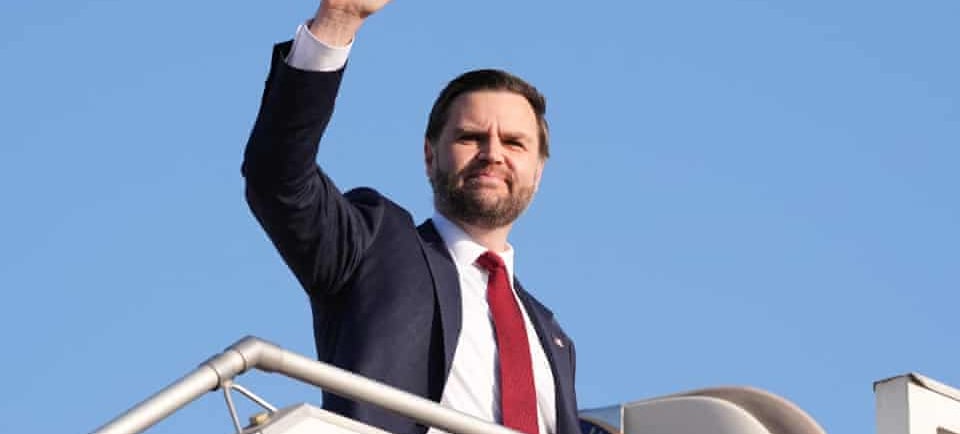
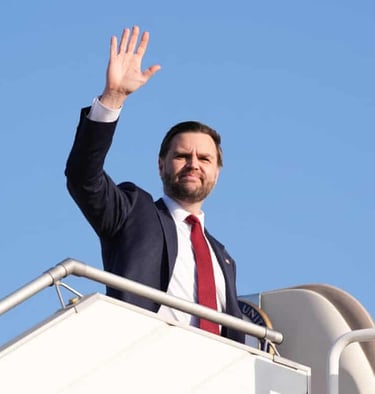
Vice President JD Vance, leading the U.S. delegation alongside Jared Kushner and Steve Witkoff, addressed the media early Sunday morning before departing on Air Force Two. Key takeaways from his remarks include:
1. The "Final and Best Offer"
Vance emphasized that the U.S. had negotiated in good faith but had reached its limit.
"The bad news is that we have not reached an agreement, and I think that’s bad news for Iran much more than it’s bad news for the United States of America. We leave here with a very simple proposal... that is our final and best offer."
2. A Warning to Tehran
Vance framed the lack of a deal as a missed opportunity for Iran's survival, echoing President Trump’s sentiment that the U.S. "wins regardless" of the outcome. He stated that while the U.S. was "quite accommodating," it would not compromise on the "core goal" of preventing a nuclear-armed Iran.
3. Diplomatic Posture
Vance noted that while the discussions were substantive, the U.S. was not interested in being "played." He praised the Pakistani hosts for facilitating the dialogue but made it clear that the ball is now firmly in Tehran's court.
The Path Forward
The Iranian Ministry of Foreign Affairs indicated that while no deal was reached in this "single session," numerous messages and texts continue to be exchanged. A fragile two-week ceasefire remains the only immediate buffer against further escalation in the Middle East.
For now, the U.S. delegation has returned to Washington, leaving the region in a state of high-stakes "wait-and-see" as the world watches for Iran's response to the final American proposal.