Rising Human Toll: Lebanon’s Crisis Since March 2026
ALL NEWSWORLDHEADLINES
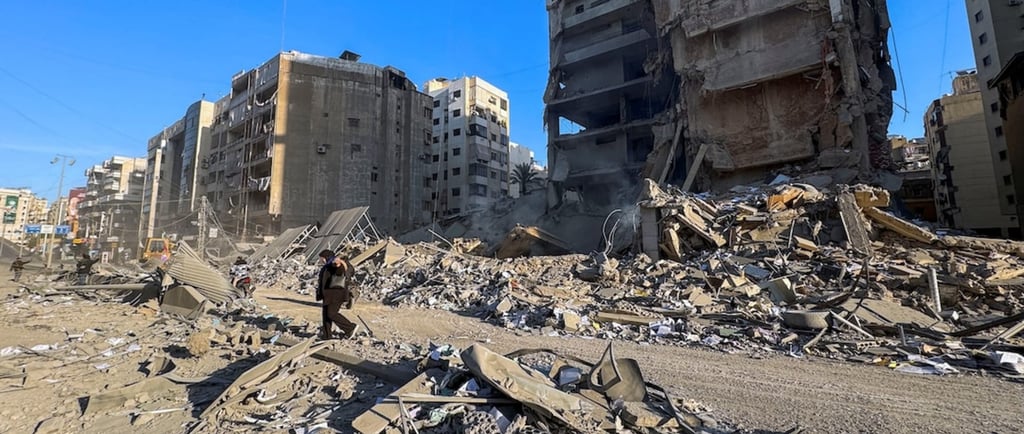
As of early May 2026, Lebanon’s Ministry of Public Health has documented a sharp rise in casualties resulting from continued military operations. Since March 2, 2026, the death toll from Israeli attacks has reached 2,618, with 8,094 people reported injured. Since the resumption of intense hostilities on March 2, 2026, Lebanon has faced a devastating wave of military operations that has drastically reshaped the country’s humanitarian landscape. As of May 1, 2026, the Lebanese Ministry of Public Health has officially documented a surge in casualties, reporting 2,618 deaths and 8,094 injuries.
This escalating conflict, occurring amidst a broader regional crisis, has not only resulted in significant loss of life but has also displaced over 1.2 million people—approximately one-fifth of Lebanon's total population.
1. Timeline of the Conflict and Recent Casualties
The current phase of the war began following a period of heightened regional tensions in early 2026. Despite international efforts to curb the violence, the toll continues to mount:
Initial Month (March 2–27): By the end of the first month, casualties reached 1,142 killed and 3,315 injured.
The "Ten-Minute Onslaught" (April 8): A dramatic escalation occurred when Israeli forces reportedly conducted over 100 airstrikes in just ten minutes. This wave of attacks targeted over 150 locations simultaneously, killing at least 303 people and wounding 1,150 in a single day.
Recent 24-Hour Reporting (May 1): In the most recent update, the Ministry of Health recorded 32 deaths and 74 injuries within a single 24-hour window due to raids on towns like Habboush and Zrarieh.
2. Fragile Ceasefire and Ongoing Violations
International mediators, led by the United States, brokered a 10-day ceasefire that initially took effect on April 17, 2026. This truce was later extended until May 17, 2026, to allow for negotiations toward a permanent solution.
However, the ceasefire remains fragile. Reports indicate daily violations, including:
Continued Airstrikes: Surveillance and combat sorties have persisted even after the official truce announcement.
Demolition of Homes: Military forces have been documented demolishing residential homes in southern Lebanon to establish a "buffer zone".
Hezbollah Resistance: While not a formal signatory to the truce, Hezbollah expressed conditional acceptance but warned that any continued Israeli presence would be met with resistance.
3. The Humanitarian Crisis and Infrastructure Damage
The intensity of the bombardment has pushed Lebanon's infrastructure to a "breaking point" according to UN officials.
Displacement and Shelters
Mass Uprooting: Over 1.2 million individuals are currently displaced, with many fleeing from southern Lebanon, the Bekaa Valley, and the southern suburbs of Beirut.
Overcrowding: Approximately 140,682 displaced persons are living in overcrowded public shelters, primarily schools.
Destruction of Essential Services
Healthcare: At least 51 primary healthcare centers and four hospitals have been forced to close due to damage or security risks. Attacks on April 13 alone decimated a medical team in Burj Qalaouiyah, killing 12 paramedics and doctors.
Civilian Logistics: Six out of eight major bridges south of the Litani River have been destroyed, isolating roughly 150,000 people and preventing humanitarian convoys from reaching them.
4. International and UN Response
United Nations officials have strongly condemned the "dramatic scale" of the bombardment. UN Under-Secretary-General Tom Fletcher has called for immediate measures to protect civilians and avoid further political instability within Lebanon.
UN experts have characterized the deliberate destruction of urban housing as a pattern of "domicide" and "collective punishment," urging all Member States to suspend arms transfers to the region where evidence of international law violations exists.
As the May 17 deadline for the ceasefire extension approaches, the international community remains focused on whether negotiations can transform this temporary pause into a lasting peace for the civilian population