Diplomatic Optics: The Truth Behind the Viral "Handshake Refusal" Between Oman and the UAE
ALL NEWSWORLD
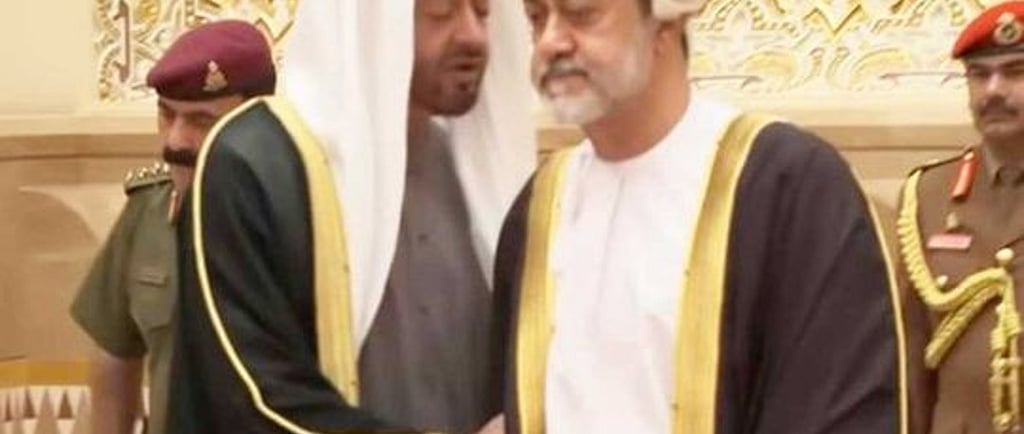
In the world of high-stakes diplomacy, every gesture is scrutinized. A misplaced glance or a momentary hesitation can spark a thousand headlines. Recently, rumors have circulated across social media platforms claiming that His Majesty Sultan Haitham bin Tarik of Oman refused to shake hands with UAE President Sheikh Mohamed bin Zayed Al Nahyan (MBZ).
However, a closer look at the actual diplomatic relationship and recent state visits reveals a much different story than the sensationalized headlines suggest.
Understanding the Viral Narrative
The "refusal" narrative often stems from short, out-of-context video clips. In the culture of the Arabian Peninsula, traditional greetings frequently involve:
The Nose Kiss (Muwajaha): A deep sign of tribal respect and familial brotherhood.
A Hand on the Heart: A gesture of sincerity and warmth.
Brief Physical Contact: Often used to guide a guest toward a seating area rather than a formal, Western-style handshake.
When these traditional greetings occur, they can be misinterpreted by observers unfamiliar with Khaleeji (Gulf) etiquette as a "snub" or a missed handshake.
The Reality: A "Deep-Rooted" Partnership
Contrary to the rumors of a rift, the relationship between Oman and the UAE has seen a significant strengthening over the last few years.
State Visits: In April 2024, Sultan Haitham bin Tarik conducted a high-profile state visit to the UAE. The reception was anything but cold; he was greeted with a 21-gun salute and a flypast by UAE Air Force jets trailing the Omani flag.
The "Hafeet Rail" Project: One of the most concrete signs of their alliance is the multi-billion dollar railway project connecting Sohar (Oman) to Abu Dhabi (UAE). This project aims to revolutionize trade and logistics between the two nations.
Investment Agreements: During recent summits, the two countries signed dozens of Memorandums of Understanding (MoUs) covering everything from renewable energy to financial markets.
Why Rumors Persist
While the official ties are strong, the rumors persist for two main reasons:
Foreign Policy Nuance: Oman is famous for its "friend to all, enemy to none" policy, often acting as a neutral mediator (notably between Iran and the West). The UAE, conversely, takes a more assertive stance in regional geopolitics. Observers often mistake these different diplomatic styles for personal friction between the leaders.
Social Media Sensationalism: "Conflict" generates more engagement than "Cooperation." Clips are often edited to remove the actual greeting, showing only the moment the leaders turn away to walk toward a podium or meeting room.
The Verdict
There is no credible evidence or official report suggesting that the Sultan of Oman refused a handshake with the UAE President. On the contrary, the photographic and video evidence from their most recent meetings shows the two leaders engaging in warm, brotherly greetings consistent with their shared heritage.
Key Takeaway: In Gulf diplomacy, the absence of a Western handshake is rarely a sign of disrespect—it is usually a sign that the relationship is so close that more traditional, familial greetings have taken its place.