Ceasefire Between Iran and America, Convinced by Pakistan
WORLDALL NEWSHEADLINES
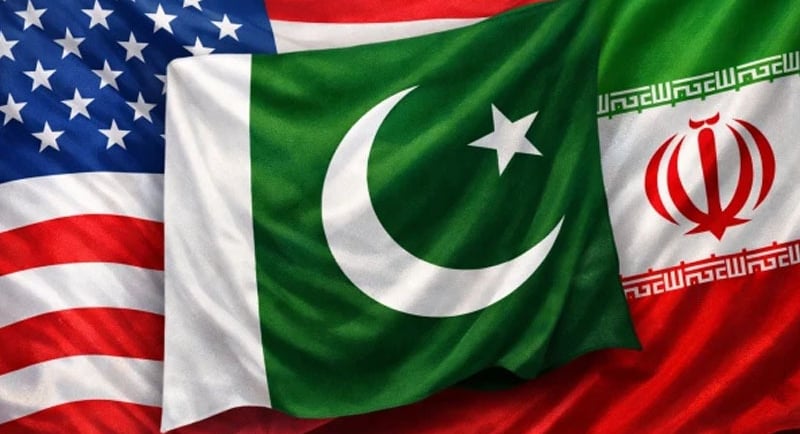
Following the intense diplomatic intervention by Pakistan, the United States and Iran have entered a historic, albeit fragile, two-week ceasefire starting April 8, 2026. This "double-sided ceasefire" was secured just moments before a critical military deadline, marking a significant victory for Pakistani mediation.
Below is an overview of the terms, the roles of each nation, and the upcoming "Islamabad Talks."
1. The Core Ceasefire Terms
The current agreement is a 14-day temporary truce designed to create a "diplomatic window." The primary conditions are:
Immediate Cessation of Hostilities: Both the U.S. and Iran have agreed to halt all direct military strikes. This includes drone attacks, ballistic missile launches, and naval skirmishes.
Reopening the Strait of Hormuz: A central condition from the U.S. side was the "complete, immediate, and safe opening" of the Strait. Iran has agreed to allow safe passage for commercial vessels for the duration of the 14 days, coordinated by Iranian forces to ensure transit safety.
The "Islamabad Talks": Official delegations from Washington and Tehran are scheduled to meet in Islamabad on Friday, April 10, 2026, to begin negotiating a permanent settlement.
2. Iran’s Strategic Plan and Conditions
Tehran has framed its acceptance of the ceasefire as a result of "achieving its objectives on the battlefield." However, their long-term plan involves a 10-point proposal that they intend to bring to the negotiating table in Pakistan:
Sanctions Relief: Iran is demanding the lifting of both primary and secondary economic sanctions.
Security Guarantees: Legally binding assurances against future strikes on Iranian soil or leadership.
Withdrawal of Forces: A demand for the phased withdrawal of U.S. military assets from the region.
Economic Compensation: Seeking reparations for infrastructure damage incurred during the 39-day conflict.
Current Stance: Iran’s Supreme National Security Council has warned that their "hands remain on the trigger," emphasizing that the truce is contingent on American compliance.
3. The American Perspective and Strategy
U.S. President Donald Trump announced the ceasefire following a direct appeal from Pakistani Prime Minister Shehbaz Sharif and Field Marshal Asim Munir. The U.S. plan focuses on:
Global Energy Security: Prioritizing the flow of oil through the Strait of Hormuz to stabilize global markets.
Regional Containment: While the ceasefire applies to the U.S. and Iran, the status of regional proxies (like Hezbollah in Lebanon) remains a point of contention. Israel has notably stated that the ceasefire does not extend to its operations in Lebanon.
"The Ultimatum" Context: The U.S. maintains that if negotiations in Islamabad fail to produce a "conclusive agreement" within the two-week window, military options remain on the table.
4. Pakistan’s Role as the Mediator
Pakistan has emerged as the primary "communication channel," leveraging its unique position of having cooperative ties with the Trump administration and a shared border with Iran.
Tactical Diplomacy: Prime Minister Shehbaz Sharif successfully requested a 14-day extension of the military deadline to "allow diplomacy to run its course."
Hosting the Accords: By hosting the talks in Islamabad, Pakistan is positioning itself as the guarantor of the "Islamabad Accords," a potential framework for long-term Middle East stability.
The world now looks to Islamabad to see if these two weeks will lead to a lasting peace or if the region will return to the brink of a broader war.