10 Points for Peace: How the US and Iran Halted a Regional War
WORLDALL NEWS
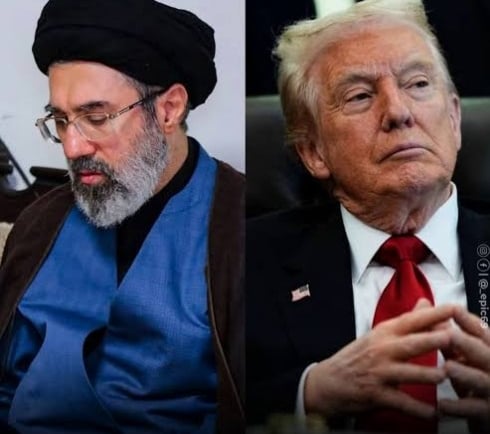
In a stunning diplomatic turn on April 8, 2026, the Islamic Republic of Iran and the United States agreed to a fragile two-week ceasefire. Mediated by Pakistan, the agreement centers on a "10-Point Proposal" submitted by Tehran, which U.S. President Donald Trump has described as a "workable basis" for long-term peace.
The proposal follows a five-week period of intense military escalation and a de facto blockade of the Strait of Hormuz. Here are the 10 points of Iran’s ceasefire and peace initiative:
The 10-Point Plan for Regional Peace
1. Guarantee of Non-Aggression
Both sides must commit to a fundamental guarantee of non-aggression. This includes a permanent cessation of hostilities on all fronts, ensuring that neither the U.S. nor Iran (and their respective allies) will initiate further military strikes.
2. Acceptance of Uranium Enrichment
A core demand of the proposal is the formal recognition of Iran's right to enrich uranium for peaceful purposes. Tehran insists that the U.S. and the international community accept its nuclear program under civilian frameworks.
3. Iranian Control Over the Strait of Hormuz
Iran maintains its right to control the Strait of Hormuz. While the plan allows for the reopening of the waterway to global traffic, passage must be coordinated through the Iranian Armed Forces under a new secure transit protocol.
4. Immediate Removal of Sanctions
The plan requires the lifting of all primary and secondary sanctions imposed on the Islamic Republic. This includes sanctions on oil, banking, and individual officials, which Iran views as a prerequisite for any permanent settlement.
5. Withdrawal of U.S. Combat Forces
Iran demands the complete withdrawal of United States combat forces from all bases and deployment points across the Middle East (West Asia). This aligns with Tehran’s long-standing goal of removing foreign military presence from the region.
6. Cessation of Strikes on Allies (Lebanon Front)
The ceasefire must be inclusive of Iran’s regional allies. Specifically, it calls for an end to Israeli and U.S. attacks on Hezbollah in Lebanon, ensuring a comprehensive regional de-escalation rather than a localized truce.
7. Termination of UN and IAEA Resolutions
Tehran seeks the termination of all standing restrictive resolutions from the UN Security Council and the IAEA Board of Governors regarding its nuclear program and missile activities.
8. Release of Frozen Assets
The proposal mandates the immediate release of all Iranian properties and financial assets currently blocked or frozen in foreign accounts due to international sanctions.
9. Payment of War Damages
Iran has requested full compensation for damages sustained during the recent conflict. The plan suggests using a portion of transit fees from the Strait of Hormuz to fund the reconstruction of infrastructure damaged by U.S. and Israeli strikes.
10. Binding UN Security Council Resolution
To ensure the longevity of the agreement, Iran requires that all 10 points be ratified through a binding UN Security Council resolution, making the terms enforceable under international law.
Current Status: A "Workable" Foundation
While President Trump has labeled the plan a "total victory" for securing the reopening of the Strait of Hormuz, the White House has clarified that negotiations are ongoing. Skepticism remains regarding Point 5 (U.S. withdrawal) and Point 6 (inclusion of Lebanon), as Israeli officials have suggested their operations against Hezbollah may remain independent of the U.S.-Iran truce.
For now, the two-week pause offers a "breathing space" for the international community, with formal negotiations set to continue in Islamabad.